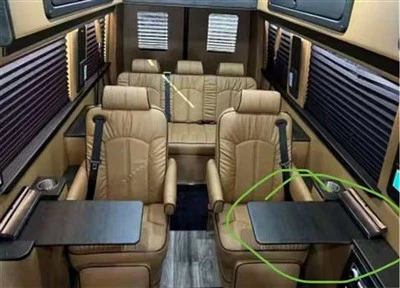
In the vehicle configuration table, there are generally two materials in the seat column: fabric and leather. The fabric material is not mentioned, but you know that many so-called leather seats are not leather. In order to control the cost, the general OEM will replace the leather with a material called PVC. This material has poor air permeability, poor flexibility, and no delicate leather feel. However, it is easier to manage than the leather, and the cost is naturally lower. Many consumers don't understand it, so they are fooled by this so-called dermis. For low-end models such as BMW and Audi, it is possible to use PVC seats.
In addition to PVC, there is also a "high simulation skin"
There is also an artificial material called microfiber. Although this material is not leather, it can be made to have the same characteristics as the leather and is easy to care for. Although the cost of this material is not low, it is still cheaper than leather. Many OEMs will use this material in their mid-range or mid- to high-end models. Take DS for example. In its bracelet seat, 90% is NAPPA leather and 10% is microfiber.
When people give the seat a pressure, the seat gives a reactionary support, which is what we learned in middle school. Therefore, in the normal driving state, the seat should be able to ensure good support for the driver, and at the same time, the support can be distributed to all parts of the body by a reasonable design to ensure the comfort of long-distance driving. In special cases, such as collisions, the seat should be structurally designed to ensure the personal safety of the members of the car. This is a major difficulty in the design of the seat structure.