The application of magnesium alloy in high-speed rail and the prospect of the development and application of magnesium alloy
Now the widely used magnesium alloy can be divided into two main types, one is cast magnesium alloy, the other is deformed magnesium alloy. At present, die-casting magnesium alloy has been widely used in the industry, and after the deformation of magnesium alloy, it can obtain more excellent comprehensive mechanical properties, so as to meet the needs of different occasions, so the development of deformed magnesium alloy is very promising.
The characteristics of magnesium alloy can meet the requirements of high-tech fields such as aerospace for noise reduction, vibration reduction and radiation protection of lightweight materials, and at the same time, it can greatly improve the gas dynamic performance of the aircraft and significantly reduce the weight of the structure. At present, magnesium alloys are widely used in the aviation industry, including AZ91, AZ31, ZE41, QE22, WE43, etc.
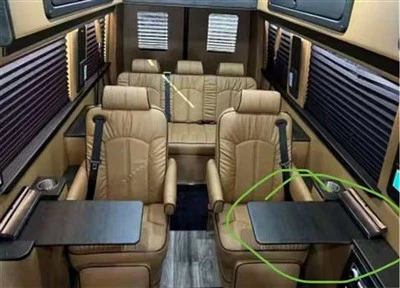
The new requirements for energy saving and environmental protection have led automotive companies to seek to reduce the weight of their vehicles in order to meet new standards for reducing gasoline consumption and greenhouse gas emissions. Magnesium alloy has a good damping coefficient and better vibration damping performance than aluminum alloy and cast iron. It can be applied to seats, steering wheels, and wheel hubs to reduce vibration, and applied to doors and other housings to reduce noise and improve the safety and comfort of the car. Currently, die-cast and deformed magnesium alloy products are used on automotive instruments, seat frames, steering system components, hoods, gearboxes, intake manifolds, wheel hubs, engines, and safety components.